





Pay as you earn in construction PAYE
The Pay as you Earn scheme, or more familiarly, PAYE, is the means by which HM Revenue and Customs (HMRC) deduct tax and National Insurance contributions from employees.
Any person, whether an individual or company, who employs someone under a contract of employment is obliged to operate a PAYE scheme and then deduct tax and national insurance before passing those deductions to HMRC.
It is important for potential employers to have a full understanding of these rules and to ensure that they are applied correctly. In particular it is necessary to understand the meaning of “employee” so that PAYE is applied only to those individuals who can be so categorised.
For construction industry employers the application of PAYE has added complexity as the requirements of IR 35 and the Construction Industry Scheme have a direct bearing on the applicability of PAYE in particular cases.
Administering PAYE can be a time-consuming process for employers with a variety of reporting requirements and deadlines to be met. For this reason many small employers prefer to outsource the administration of the scheme to external service providers who undertake full payroll and reporting obligations via the use of proprietary software.
For more details visit HMRC: PAYE
[edit] Related articles on Designing Buildings
- Capital gains tax.
- Construction industry scheme.
- Construction Industry Scheme or IR35?
- Construction recruitment agency.
- Court of appeal ruling on holiday pay and employment status.
- Employee.
- Hourly rate.
- Human resource management in construction.
- IR35.
- IR35: essential steps for compliance.
- Limited appointment.
- National insurance.
- Payroll companies.
- Status determination statement SDS.
- Tax relief.
- Umbrella companies.
- Tax.
- VAT.
[edit] External references
Featured articles
Check out some of the best features and news from Designing Buildings as well as key stories from around the web.

Building Safety Newsletter from MHCLG.

An extraordinary record of steel engineering worldwide.

Households living near new pylons to save on bills.

ECA warns growth must not outpace grid capacity or skills.
The role of the client and decision making

CIOB response to built environment professions call for evidence.
Construction's sustainability reporting revolution

Tracking upfront embodied carbon with digital tools.
ECA welcomes procurement reforms

Public spending must back British jobs and skills.
Campaigning for Edinburgh: the Cockburn Association 1875-2049

The role of the civic voice in protecting character. Book review.

CIOB photography competition is open for entries.
ECA Edmundson apprentice of the year award

Finalists announced.
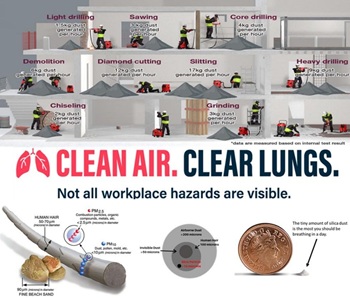
Major new study exposes serious knowledge gaps.

Generating energy from internal light as well as sunshine.